
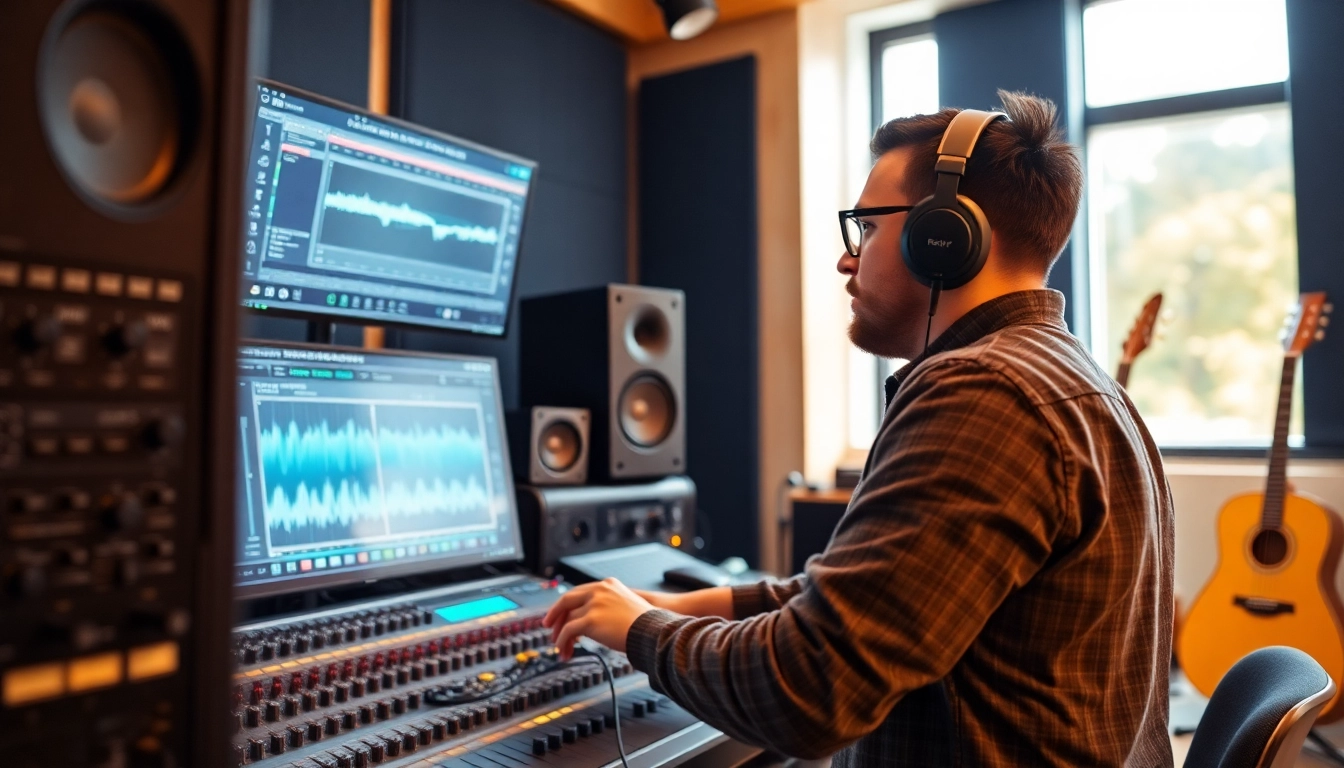
Understanding Online Audio Mastering
What is Online Audio Mastering?
Online audio mastering is a critical process in music production that involves the final adjustments to a track, ensuring it sounds polished and ready for distribution. This digital service provides musicians and producers the means to enhance their music by adjusting levels, equalization, compression, and adding effects in a cohesive manner. By leveraging advanced technology and skilled audio engineers, online audio mastering simplifies the once-complex process of mastering, allowing artists to achieve professional-sounding tracks without the need for traditional studio access.
How It Differs from Traditional Mastering
Traditional mastering typically involves a physical process wherein tracks are finalized in a recording studio, often in the presence of an audio engineer. This approach has several benefits, such as real-time feedback and optimal control over the audio environment. Conversely, online audio mastering is conducted through digital platforms, allowing for greater accessibility. The main differences include:
- Accessibility: Online mastering services can be accessed from anywhere, unlike traditional studios that have geographical constraints.
- Cost: Online services are often more affordable, reducing overhead costs associated with studio time and equipment use.
- Turnaround Time: Online services usually provide quicker results since they operate without physical constraints.
Benefits of Using Online Audio Mastering Services
Utilizing online audio mastering services presents numerous advantages. Here are some of the most compelling benefits:
- Cost-Effective: Many online services offer tiered pricing models, making professional mastering affordable for independent artists.
- Convenience: The ability to upload tracks and receive mastered files online streamlines the workflow.
- High-Quality Results: Professional mastering engineers use industry-standard tools and techniques.
- Flexibility: Artists can choose to submit multiple versions of their tracks for mastering to find the best fit.
Choosing the Right Online Audio Mastering Service
Key Features to Look For
When selecting an online audio mastering service, consider the following features:
- Audio Format Support: Ensure the service accepts various file formats such as WAV, AIFF, or MP3.
- User-Friendly Interface: A straightforward process for uploading and receiving files enhances the user experience.
- Customization Options: Look for services that allow you to communicate specific needs or preferences regarding your track’s sound.
- Feedback and Revisions: Check if the service includes options for revisions based on your feedback to achieve the desired sound.
Comparing Pricing and Packages
Pricing for online audio mastering can vary significantly based on the service offered. It’s essential to compare different packages:
- Basic Packages: Often include a straightforward mastering process without additional options.
- Standard Packages: These may include mastering for multiple tracks or additional effects and enhancements.
- Premium Packages: Typically come with personal consultations, detailed feedback, and multiple revisions.
Evaluate the value provided by each service against your budget to make an informed choice.
Reviews and Recommendations
Before selecting an online audio mastering service, seek out user reviews and recommendations. Look for feedback on:
- Sound quality and adherence to genre specifications.
- Responsiveness and professionalism of customer support.
- Quick turnaround and compliance with deadlines.
User testimonials can provide invaluable insights into the experiences of other artists and assist in making your selection.
Preparing Your Track for Online Audio Mastering
Best Practices for Mixing Before Mastering
Before sending your audio for mastering, ensure that your track is mixed adequately. Consider these best practices:
- Headroom: Leave 3-6 dB of headroom to avoid distortion during the mastering process.
- Balanced Mix: Each element in your track should be balanced in terms of levels to ensure clarity.
- Use Reference Tracks: Compare your mix against professionally mastered tracks in the same genre for guidance.
File Formats and Specifications
Understanding the correct file formats and specifications is crucial for a successful mastering process. Use:
- WAV or AIFF: These are the preferred formats for professional mastering as they are lossless.
- Sample Rate: Aim for 24-bit/48kHz or higher to ensure quality retention.
- Same Time Signature: Make sure your track’s tempo and time signature are finalized to avoid unnecessary revisions.
Common Mistakes to Avoid
Artists often overlook critical aspects during the preparation phase. Avoid these common mistakes:
- Over-Compression: Over-compressing your mix can limit the dynamic range and make the mastering process challenging.
- Ignoring Frequency Issues: Address frequency clashes to prevent muddiness in your mix.
- Submitting Unfinished Work: Ensure that your track feels complete before submission; mastering a “work in progress” can lead to unsatisfactory results.
Online Audio Mastering Techniques
Understanding Mastering Chains
The mastering chain refers to the sequence of audio processing tools applied to a mix. A typical mastering chain might include:
- Equalization: Used to adjust frequency balance and remove unwanted resonances.
- Compression: Balances dynamic range, ensuring the loudest and softest parts sit well together.
- Limiting: Prevents clipping by controlling the maximum level of the audio signal, making it as loud as possible without distortion.
Using Plug-ins and Tools Effectively
Familiarizing yourself with various plug-ins can elevate the quality of your mastering:
- Multiband Compressor: Target specific frequency bands independently for better control.
- Stereo Imaging Tools: Enhance the stereo width and space of your track.
- Metering Tools: Use meters to visualize loudness, frequency content, and dynamic range.
Creative Techniques in Mastering
Mastering isn’t just about technical adjustments; creativity plays a vital role. Consider these innovative approaches:
- Parallel Processing: Blend unprocessed audio with processed audio for additional depth.
- Creative Effects: Adding subtle effects such as reverb or delay can enhance the track’s ambiance.
- Automation: Utilize automation for smooth transitions and dynamic shifts in your final product.
Evaluating the Success of Your Mastered Track
Key Metrics for Assessing Mastering Quality
Once your track is mastered, understanding how to evaluate its quality is essential. Track the following metrics:
- Loudness Levels: Measure RMS and LUFS levels to ensure your track aligns with industry standards.
- Dynamics: Assess the dynamic range to confirm that the track maintains its emotional impact.
- Frequency Balance: Ensure that high, mid, and low frequencies are appropriately represented.
Gathering Feedback from Listeners
Receiving feedback from a select group of listeners can provide insights into the track’s effectiveness. Utilize:
- Focus Groups: Conduct sessions where listeners can provide honest feedback on the track.
- Listener Surveys: Create a survey to gather opinions on different aspects of the track.
Next Steps After Mastering
After mastering your track, there are several next steps you can take:
- Distribution:
- Submit your mastered track to streaming platforms and digital stores.
- Promotion: Use online marketing strategies to promote your track effectively.
- Monitor Performance: Track how your track performs in terms of plays, shares, and listener feedback for future improvements.
Frequently Asked Questions
What is the difference between mastering and mixing?
Mixing involves balancing the individual elements of a track, while mastering is the final polish that prepares the mixed track for distribution.
How long does online audio mastering take?
Turnaround times for online audio mastering can vary but typically range from a few hours to a few days, depending on the service and package selected.
Can I make changes after mastering?
While changes can be made post-mastering, it’s recommended to finalize your mix beforehand to avoid unnecessary revisions and additional costs.
What formats do I need for mastering?
Submitting your audio in WAV or AIFF formats at 24-bit/48kHz is ideal, ensuring high quality during the mastering process.
Is online mastering good for professionals?
Yes, many professionals use online mastering for its convenience, affordability, and access to skilled engineers, often achieving quality results.